SciText
SciTextFrom a brief to a manuscript a reviewer can read. The study runs, the citations resolve, and the prose is humanized before it is set.
Prose is rewritten for a human rhythm before it is set in the manuscript.
The study runs in code. Reported numbers come from that run.
A reference stays only when its DOI resolves.
The manuscript says what is new, and stops where the evidence stops.
Question, method, results, limits, and a comparison with the papers it cites.
Labeled axes, readable type, and a palette that still separates in grayscale.
A study, the writing, and the files
Articles, reviews, theses, grants, methods papers, and the other skills in the catalog. The study runs, the DOIs resolve, and the PDF is what you preview.
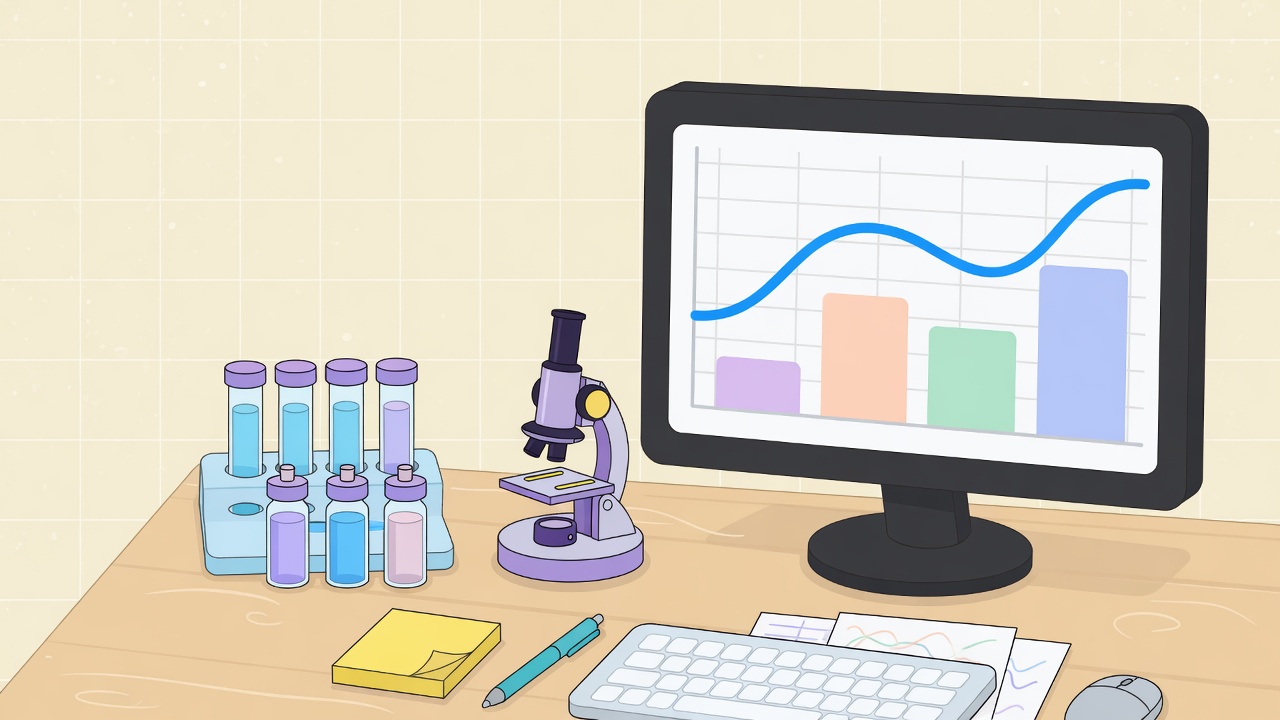
A skill for each kind of writing
Journal articles, reviews, conference papers, theses, grants, methods papers, case studies, data papers, and the rest. A new kind is a new writing skill.
Real-Time Progress Tracking
The document page shows each phase as it finishes. Closing the tab does not stop the job.
The forms scholarly work takes
Articles, systematic reviews, lab reports, policy briefs, book chapters, dissertations, and commentary. The catalog is the set of skills, not a fixed list.
A study that actually runs
OpenAI runs the experiment in a sandbox. The numbers in the manuscript come from that run.
The citation styles fields use
APA, MLA, Chicago, Turabian, Harvard, CSE, ISO 690, Springer, IEEE, Nature, Science, Vancouver, AMA, ACS, AIP, and ACM.
Text Tools
Paste a passage and rewrite it so it reads like a person wrote it, without adding claims.
Original, checked, and cited
Writing a committee can read, then check
Researchers look for plagiarism-free prose, grammar that holds, and a draft that still sounds like a person after an AI detector. SciText builds the manuscript that way, and leaves the last check with you.
Original writing, not a pasted passage
Plagiarism is copied text. SciText writes the manuscript from your brief, cites the papers it retrieved, and does not paste another article into the draft. Similarity stays low because the sentences are new. Run Turnitin, or your campus checker, on the file you intend to submit.
Grammar-checked before it is set
The prose is edited for grammar, agreement, and academic tone, then passed through the humanizer so the rhythm is a person’s. The claims stay. The stock cadence does not. Text Tools can check a passage again after you edit it.
Written for a human reading, including AI detectors
Detectors such as Turnitin’s AI score, GPTZero, and Originality look for the even rhythm of untouched model text. SciText humanizes every sentence of the manuscript before it is typeset, so the file you download is original cited prose. Check it with the detector your committee uses.
A bibliography a reader can open
Each kept reference has a DOI that resolves. In-text citations and the reference list use the style you chose, from APA and Chicago to Vancouver, IEEE, ACS, and AMA. A source that does not resolve does not stay in the paper.
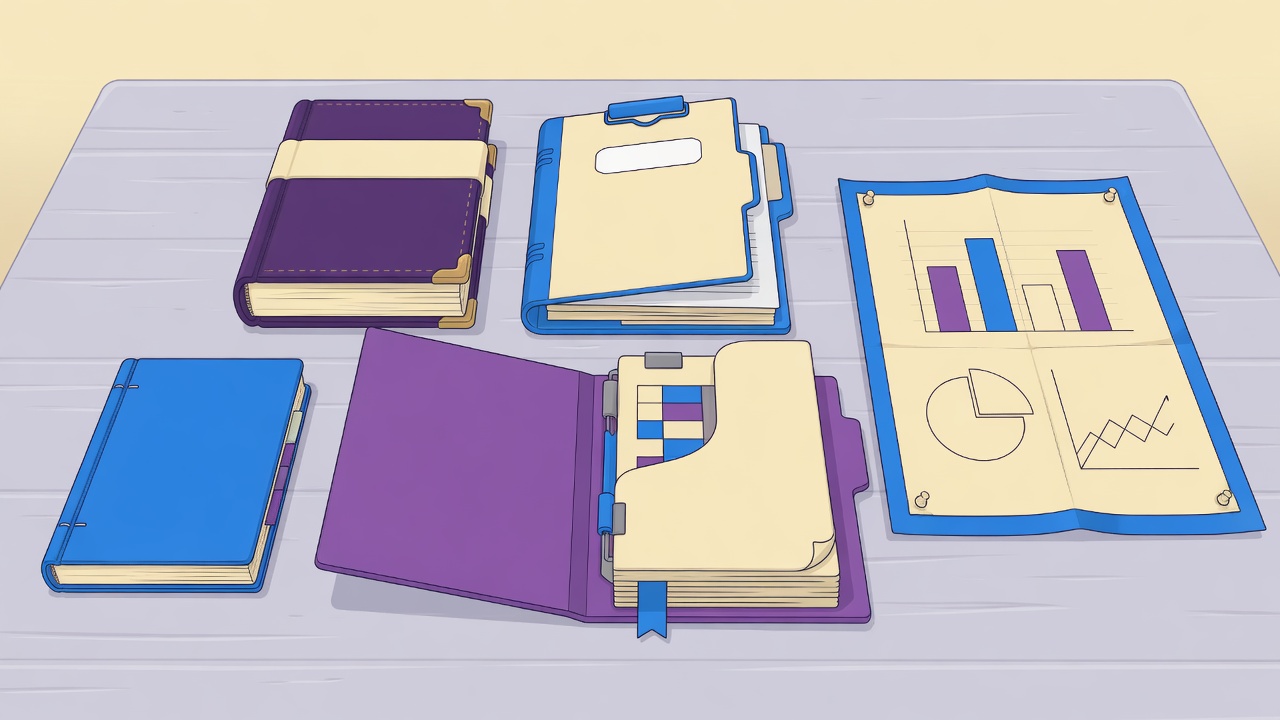
Every form the work takes
A journal article, a systematic review, a conference paper, a methods paper, a case study, a data paper, a thesis, a grant, a policy brief, a book chapter. Each one is its own writing skill. Another kind of scholarly writing is another skill, not a closed menu.
Journal Paper
A study, DOI-backed references, and a manuscript a journal could send to reviewers.
Conference Paper
A short paper: the result, the method, and the comparison a program committee expects.
Review Article
A critical review that organizes a field and marks what is still open.
Literature Review
A synthesis of the papers retrieved, with the gap stated in the last section.
Systematic Review
A counted search, inclusion rules, and a synthesis that stays inside the retrieved papers.
Methods Paper
A method someone else can rerun, with a worked numerical check.
Data Paper
What was measured, how it was stored, and one analysis of that record.
Case Study
One case, the record of what happened, and the limit of generalizing from it.
Lab Report
Aim, method, the numbers from the run, and what they do not show.
Book Chapter
One chapter with a through-line, citations, and a study that belongs in that chapter.
Commentary
A short argument about a published result, tied to the papers it cites.
Policy Brief
The decision, the evidence, and a recommendation a reader can act on.
Research Statement
Past work, the question now, and the next study, with the papers that frame them.
Research Proposal
Aims, a labeled pilot, and the papers the skill retrieves.
Grant Proposal
Aims, a labeled pilot, and references the skill retrieves.
Report
The result first, then the study that produced it.
Technical White Paper
A decision, a comparison, and the study behind it.
Thesis
Chapters, a study, and references the skill retrieves.
Dissertation
A stated contribution, a study, and retrieved references.
Book
Chapters, a computed study, and references the skill retrieves.
Cover Letter
One letter. No study and no bibliography.
From the brief to the file you check
01
The brief
Title, kind of writing, length, figures, and the citation style.
02
The papers
A search for real work inside your year range. A DOI is required.
03
The study
Code runs. Results, figures, and the comparison table come from that run.
04
The prose
Sections are written on those numbers, then humanized and read for grammar.
05
The package
LaTeX, a PDF you can preview, Word, the script, and the bibliography.
06
Your checker
Open the PDF, then run Turnitin or the checker your institution requires.
Citation styles the fields already use
Author-date and numbered systems. The in-text citations and the reference list follow the one you pick, and each kept source has a DOI.
- APA (7th edition) · American Psychological Association
- MLA (9th edition) · Modern Language Association
- Chicago (17th, author-date) · Chicago Manual of Style
- Turabian (author-date) · A Manual for Writers of Research Papers
- Harvard · Author-date Harvard referencing
- CSE (name-year) · Council of Science Editors
- ISO 690 · International Organization for Standardization
- Springer · Springer basic author-date
- IEEE · Institute of Electrical and Electronics Engineers
- Nature · Nature journal style
- Science · Science journal style
- Vancouver · International Committee of Medical Journal Editors
- AMA · American Medical Association
- ACS · American Chemical Society
- AIP · American Institute of Physics
- ACM · Association for Computing Machinery
Pay As You Go
No subscriptions. Top up your balance with a one-time credit pack and only pay for what you generate. A valid card unlocks your $100.00 signup bonus.
Starter
A first paper or two, pay as you go
Adds $25.00 of balance
Researcher
Steady writing for active researchers
Adds $50.00 of balance
Lab
For teams and heavy writing months
Adds $100.00 of balance
Institution
Department-level volume
Adds $250.00 of balance
Loyalty bonus: every 5 completed documents earn $10.00 of free balance
No expiry, no tiers. If your balance runs short and a card is on file, we top up automatically in the background with the smallest pack that covers the gap, so generation never waits on a payment step.
Start the study from a brief
Create an account. A valid card activates $100 of generation balance. You choose the model. It finds the references, runs the work, and returns a file you can preview.
Get Started — $100 after a cardFrequently Asked Questions
How a document is written, cited, and exported.
What does the SciText AI report generator do?
SciText turns your topic and requirements into a draft. The pipeline plans the structure, searches for real papers, writes and edits sections, then builds LaTeX. PDF, Word, and ZIP are added when those export steps succeed.
Will my document pass a plagiarism check?
SciText writes original content with real, verifiable citations rather than copying text, which is designed to keep similarity scores low. That said, always run your final document through your institution’s own plagiarism checker, such as Turnitin, before submitting.
Is SciText an alternative to Turnitin?
SciText and Turnitin serve different purposes: SciText generates original academic drafts with citations, while Turnitin checks submitted work for similarity. Many writers use SciText to draft and then verify the result with a plagiarism checker like Turnitin before submission.
What is an AI-generated report, and what can I export?
A finished SciText document has structured sections, in-text citations, and a bibliography of sources the literature search actually returned. The download always includes LaTeX. PDF, Word, and ZIP appear when those export steps succeed.
Which citation styles are supported?
The styles research fields actually use: APA, MLA, Chicago, Turabian, Harvard, CSE, ISO 690, Springer, IEEE, Nature, Science, Vancouver, AMA, ACS, AIP, and ACM. The bibliography and the in-text citations follow the one you pick.
What kinds of scholarly writing can I start?
Journal and conference papers, review articles, literature and systematic reviews, methods and data papers, case studies, lab reports, book chapters, commentaries, policy briefs, research statements, proposals, grants, reports, white papers, theses, dissertations, books, and cover letters. A further kind is added by writing its skill.
Is the grammar checked?
Yes. Prose is edited for grammar and academic tone, then humanized so the sentences do not share one length and one cadence. You can run a passage through Text Tools again after you revise it.
Will an AI detector such as Turnitin, GPTZero, or Originality flag it?
Those tools look for the rhythm of untouched generated prose. SciText humanizes the manuscript before it is typeset, so you are submitting original cited writing. Detectors disagree with each other. Use the one your department names, on the final file.
Are the experiments and figures real?
The study is code that runs. Figures and tables are drawn from that run, with labeled axes and type that stays readable in a column. A number from an earlier paper appears only when that paper’s DOI page contains it.